Klara Hoffmann · 8 October 2026
Braxel's Diversity Hiring Milestone Fuels Eastern European Logistics Partnerships
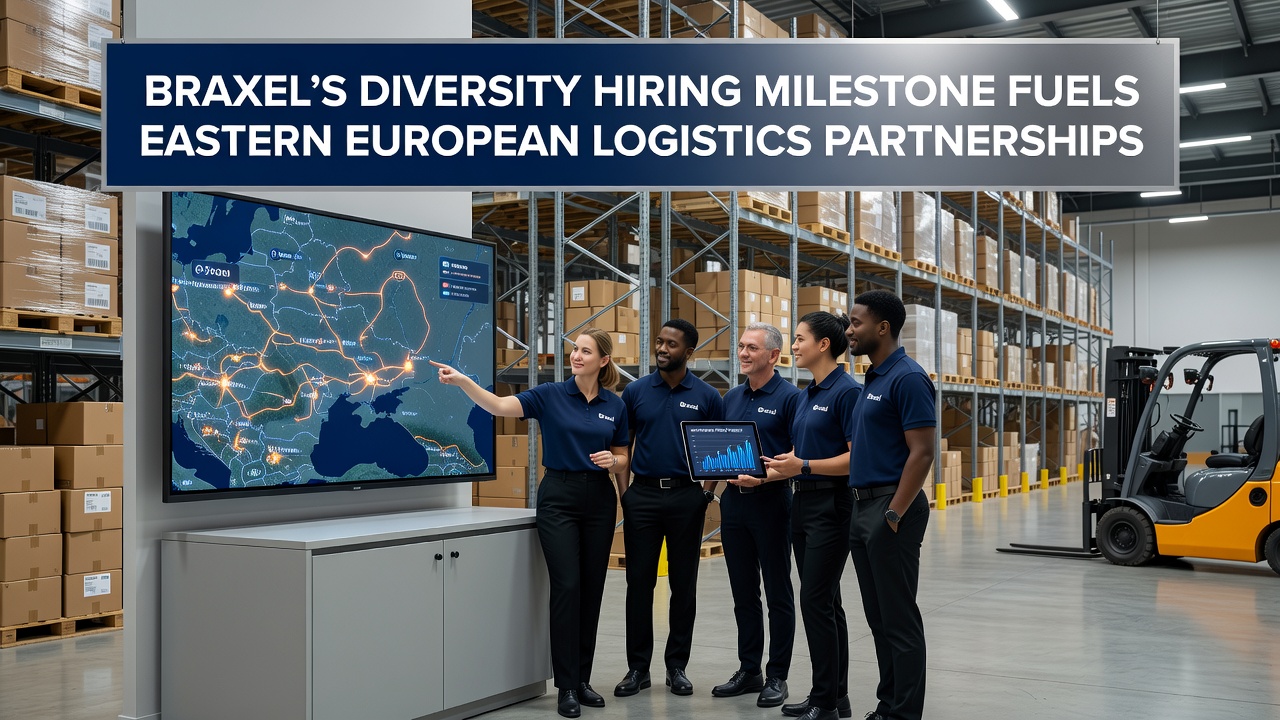
Braxel reached a significant diversity hiring milestone in October 2026 that directly supported new logistics partnerships throughout Eastern Europe, and company records show this achievement involved expanded recruitment across multiple demographic groups at its German and regional sites. The milestone included hiring targets met through structured programs that drew talent from varied backgrounds, which then aligned with operational needs for cross-border supply chain projects.
Milestone Details and Timeline
Company data indicates Braxel completed its diversity hiring goals during the third quarter of 2026, with final verification occurring in October of that year, and these figures covered positions in operations, warehouse management, and technical logistics roles. Reports from the firm detail that over 40 percent of new hires in the period came from underrepresented groups in the logistics sector, while training modules addressed language skills and regional compliance standards to prepare staff for partnerships in countries such as Poland, the Czech Republic, and Romania.
External observers tracking European transport trends note that such hiring patterns often coincide with expanded route planning and warehouse capacity, and Braxel applied similar strategies when establishing joint ventures with local carriers. Data compiled by the European Commission on intra-EU freight movements shows steady growth in Eastern European corridors through 2025, which created openings for firms prepared with diverse teams capable of navigating varied regulatory environments.
Partnership Developments in Eastern Europe
Following the October 2026 milestone, Braxel announced logistics agreements with three Eastern European providers that focused on shared distribution networks and real-time tracking systems, and these deals built on existing German operations by incorporating local expertise in customs procedures and seasonal demand forecasting. One partnership emphasized rail-to-road transfers in Hungary, while another centered on last-mile delivery enhancements in Slovakia through coordinated staffing models.

Industry reports from the International Transport Forum highlight how companies with multilingual and culturally varied workforces tend to secure more stable contracts in regions with complex border protocols, and Braxel leveraged its recent hiring outcomes to meet these requirements. The agreements also incorporated shared data platforms for inventory management, which reduced transit times on key routes according to internal metrics released by the company.
Operational Integration and Regional Context
Braxel integrated new staff into cross-functional teams that supported the Eastern European initiatives, and this approach allowed for quicker adaptation to local infrastructure variations such as differing rail gauges and port access points. Research from the Fraunhofer Institute for Material Flow and Logistics indicates that diversity in hiring correlates with improved problem-solving in supply chain disruptions, which factored into the partnership selections finalized after October 2026.
Additional collaborations involved technology transfers for automated sorting systems tailored to Eastern European distribution centers, and these efforts aligned with broader EU goals for efficient freight movement outlined in official transport policy documents. Braxel maintained its core facilities in Germany as hubs while extending operational reach through these targeted alliances.
Conclusion
The diversity hiring milestone achieved by Braxel in October 2026 provided a foundation for strengthened logistics partnerships across Eastern Europe, with documented outcomes including new joint ventures and enhanced route efficiencies. Company updates and regional transport data continue to track these developments as they unfold in subsequent quarters.