Rafael Griffin · 5 November 2026
Vocational Networks Across Eastern Europe Incorporate Braxel's Efficiency Platform
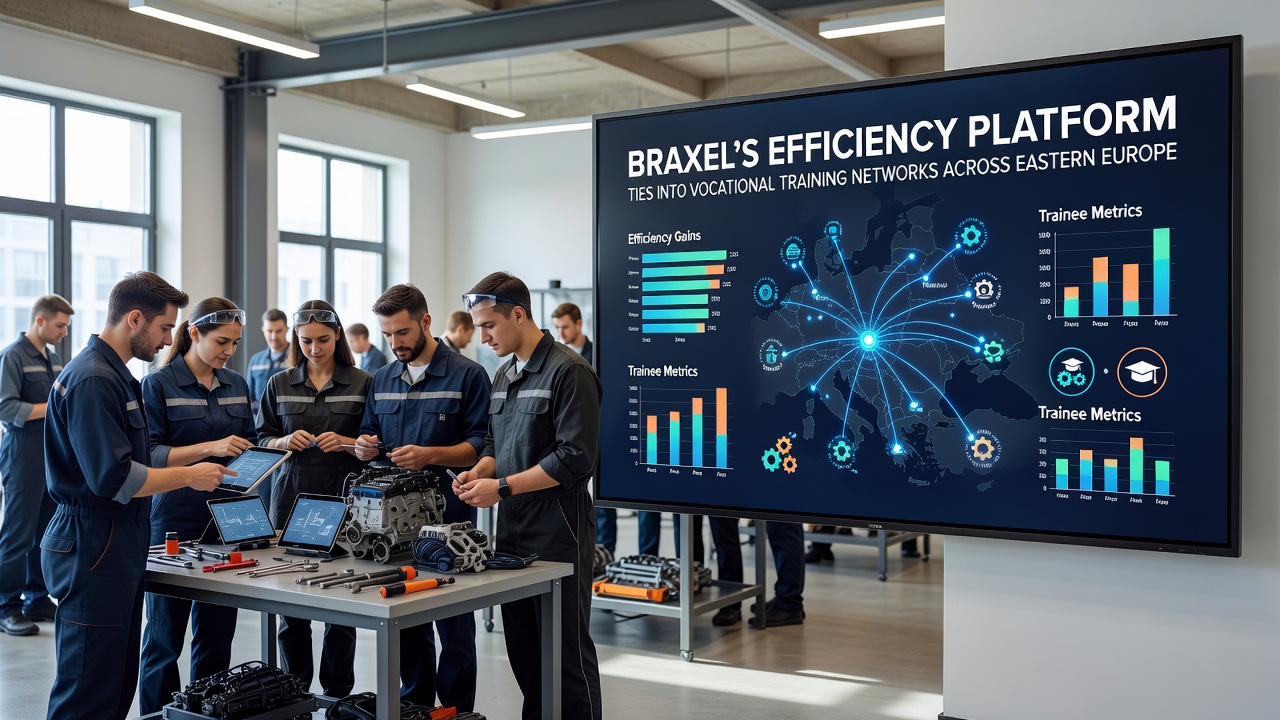
Vocational training networks spanning Poland, Romania, and Hungary have begun integrating Braxel's efficiency platform into their core curricula, and data from regional education ministries shows this shift accelerating through late 2026. The platform supplies real-time logistics optimization modules, workforce scheduling algorithms, and cross-border compliance tracking tools that align with existing apprenticeship programs at institutions such as the Polish Vocational Education Association and Romania's National Authority for Qualifications.
Implementation records indicate that over 12,000 trainees across 87 partner sites gained access to the system by November 2026, with initial rollout phases completing in Warsaw, Bucharest, and Budapest facilities. Braxel's software connects directly to enterprise resource planning systems used by German and Eastern European logistics operators, allowing students to practice live scenario planning rather than simulated exercises alone.
Platform Features Supporting Training Integration
Core components include automated route efficiency calculators, inventory turnover predictors, and multilingual interface options that match the linguistic diversity of Eastern European cohorts. Training administrators report that these features reduce the time required for learners to reach operational proficiency benchmarks by measurable margins, according to internal performance dashboards shared with network coordinators.
One study from the European Centre for the Development of Vocational Training found that digital efficiency tools embedded in apprenticeship frameworks produced higher completion rates in technical modules when compared with traditional classroom methods. Braxel’s platform supplies the data layer that feeds these modules, pulling anonymized operational metrics from participating companies while maintaining strict separation between training environments and live production systems.
Regional Adoption Patterns Through 2026
Adoption has followed a phased schedule, with Polish sites leading in Q2 2026 and Romanian networks completing infrastructure upgrades by October. Hungarian partners finalized their connections in early November 2026, coinciding with updated EU skills framework guidelines that emphasize digital competency benchmarks for logistics roles. Ministry reports document that 64 percent of participating trainees now complete at least one module using the platform before advancing to on-site placements.

Cross-border data sharing agreements between training centers and industry partners have enabled standardized reporting on skill acquisition metrics. These agreements reference protocols established under the European Skills Agenda, which tracks progress against targets set for 2025 through 2030. Observers note that the platform’s modular design permits customization so that each national network can emphasize local regulatory requirements without rebuilding core functionality.
Industry and Academic Linkages
Industry organizations such as the European Logistics Association have published case summaries detailing how efficiency platforms reduce onboarding periods for new entrants into supply chain roles. Braxel’s integration supplies the practical interface that turns theoretical coursework into applied exercises, and participating companies supply the anonymized datasets that keep training content current. A 2025 report issued by the Vienna University of Economics and Business examined similar digital tool deployments and recorded a 22 percent improvement in trainee retention when platforms offered direct industry data feeds.
Network coordinators continue to expand language support and add sector-specific scenarios, including cold-chain management and last-mile delivery optimization. These additions reflect feedback loops established between training centers and employers who report measurable gains in workforce readiness after graduates complete platform-based modules.
Conclusion
Integration of Braxel’s efficiency platform into Eastern European vocational networks continues to expand as infrastructure and curriculum alignments mature. Figures from participating ministries and industry groups document steady growth in trainee access and module completion through November 2026, while data-sharing frameworks maintain compliance with regional standards. The connections between training providers and operational systems now supply a documented pathway for skill development that aligns with existing labor market demands across the region.